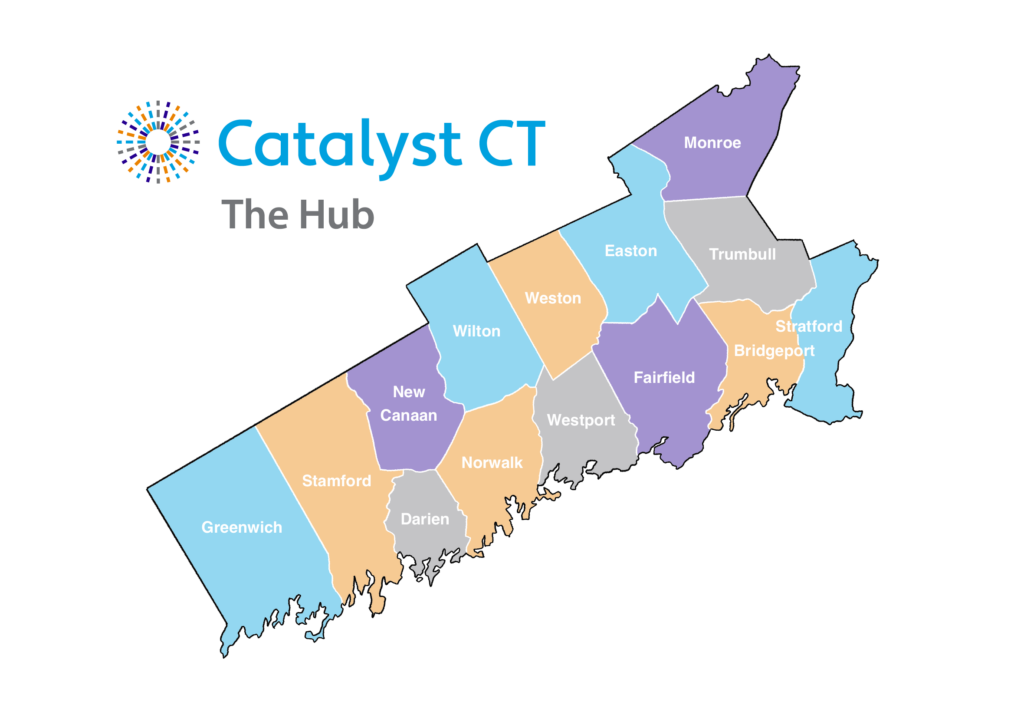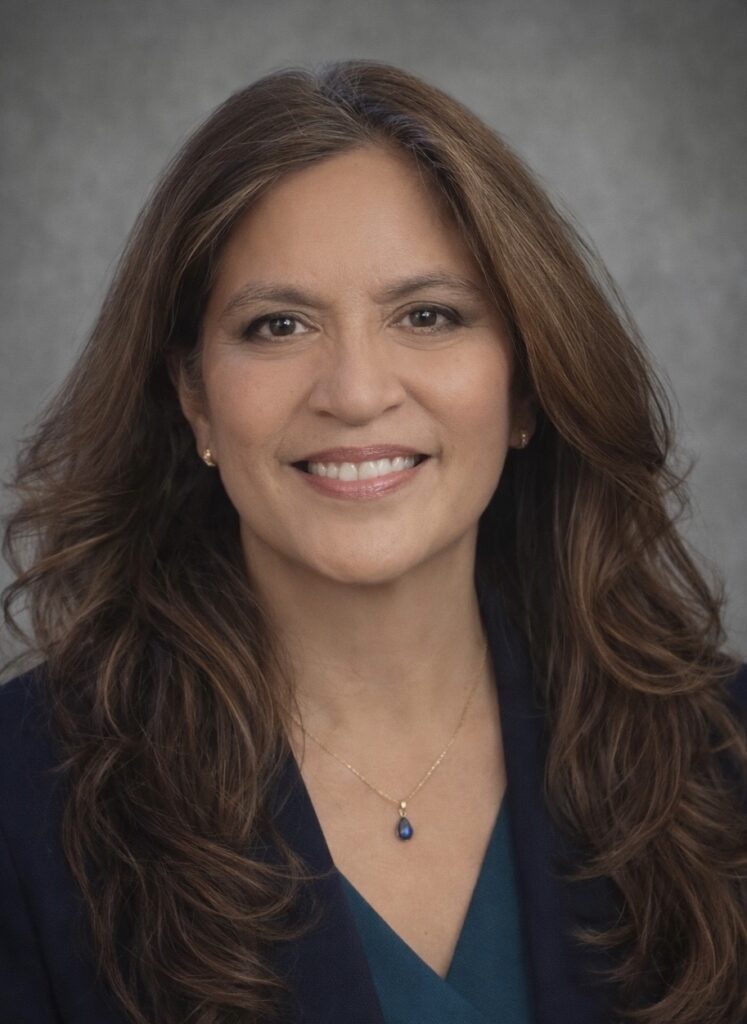
Jacqueline M. Calayag, MSC, CPSRP, RCP
Program Coordinator – State Opioid Response
jcalayag@catalystct.org
203.989.5529
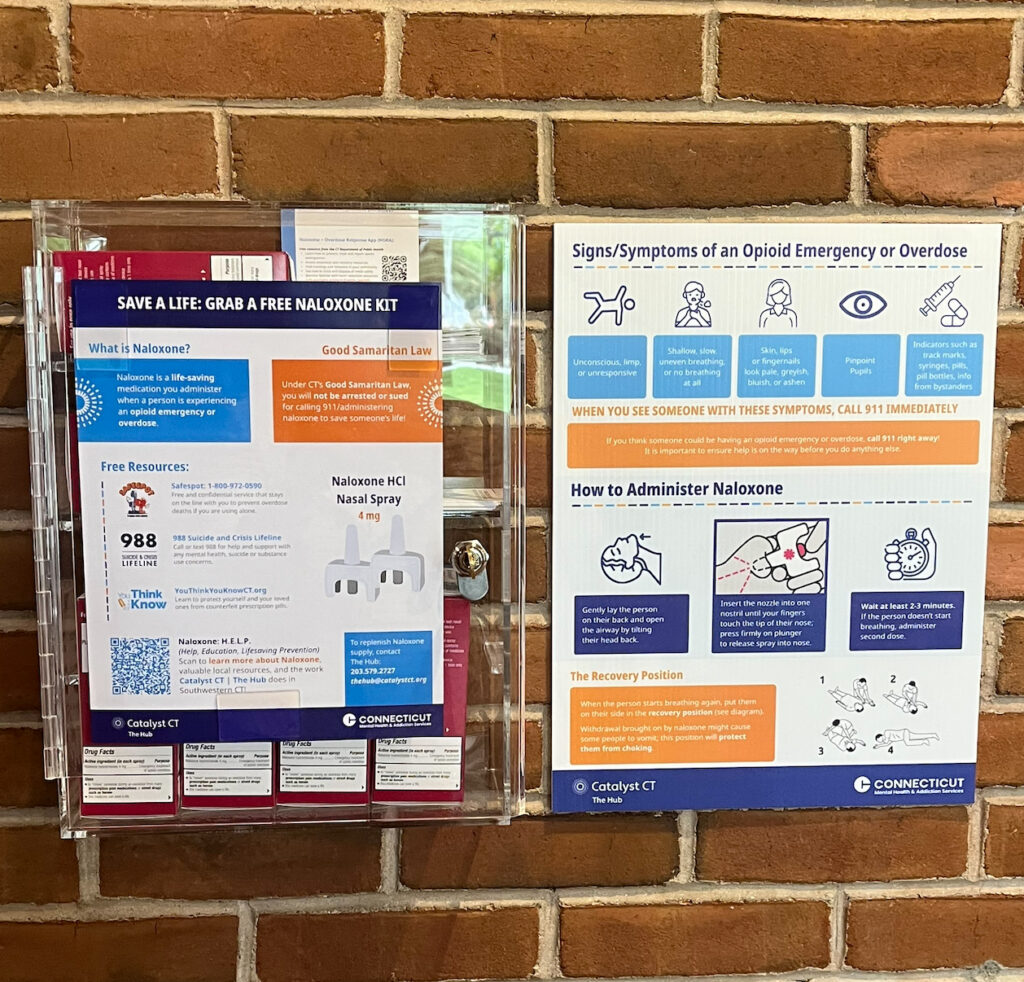
Hi, I’m Jacqueline and I serve as the Program Coordinator for the Prescription Drug Overdose (PDO), Substance-Exposed Children (SEC) and Recovery Friendly Workplace (RFW) initiatives here in Region 1. My focus is reducing opioid harm and fatalities in our communities by increasing awareness of opioid dangers, as well as reducing stigma and promoting empathy for people with opioid and other substance use disorders (OUD/SUD). I teach community members how to save a life using naloxone (Narcan). I train first responders and other key community sectors how to engage family members, friends and bystanders present at an opioid emergency by providing naloxone and resources to prevent another emergency. I also help agencies, businesses and organizations in the region earn state recognition as Recovery Friendly Workplaces (RFWs), developing ongoing partnerships that foster supportive environments for employees facing mental health and/or substance use concerns. Finally, I help remove barriers to accessing naloxone by installing free cabinets with kits across the region. If you are interested in a training, receiving free naloxone or a free naloxone cabinet and kits, please feel free to contact me!
Strategic Opioid and Fentanyl Awareness
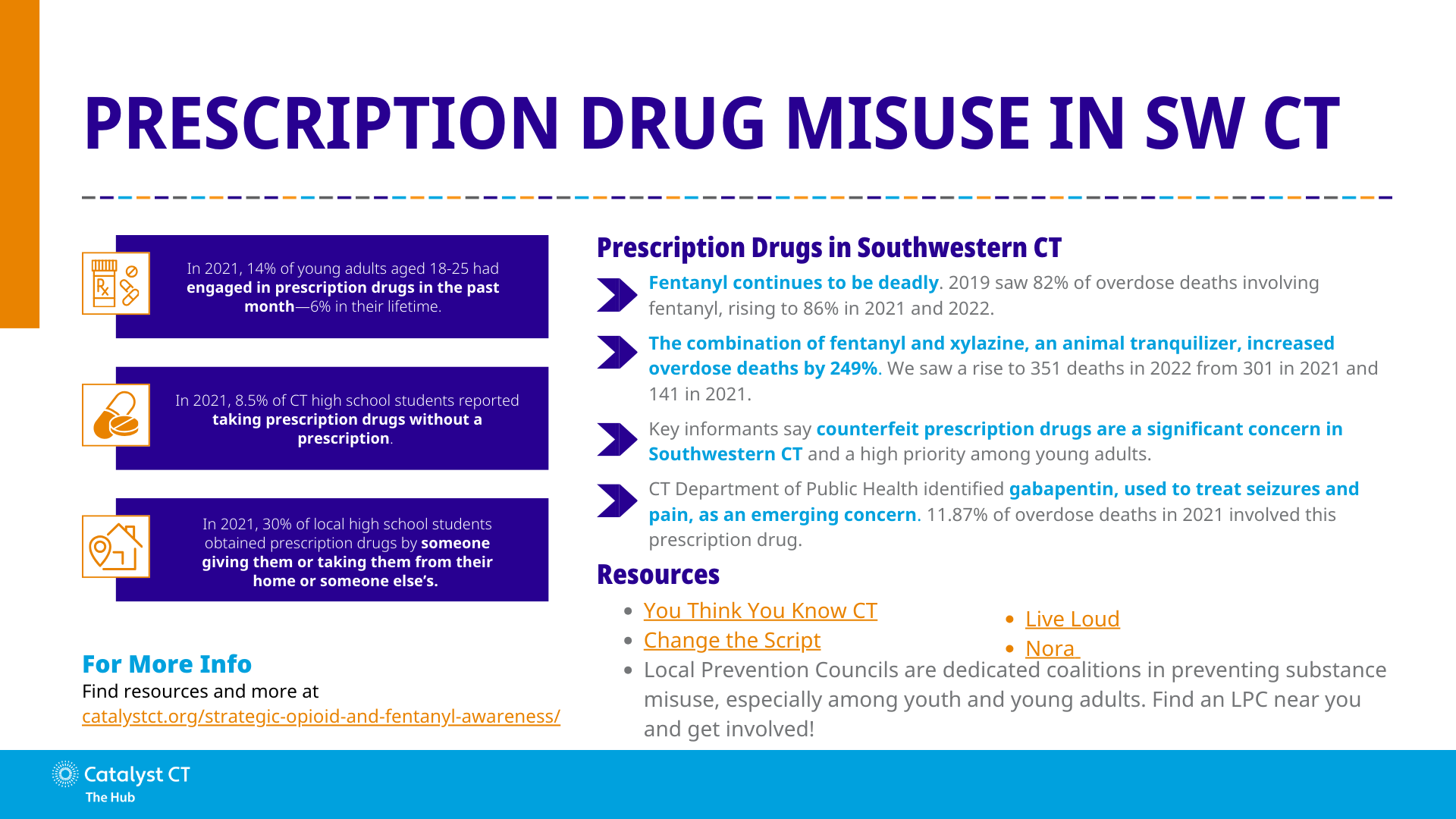
Opioids are a class of drugs primarily used to treat pain. There are prescription opioids, such as oxycodone (OxyContin®), hydrocodone (Vicodin®), codeine, morphine, and methadone, and illegal opioids, such as heroin. While opioids can be very effective in treating pain, they are highly addictive. Often, people who become dependent on prescription opioids turn to heroin as a cheaper source.
Fentanyl is a synthetic opioid that is causing accidental overdoses and claiming lives across the country. In 2021, fentanyl took more lives than gun- and auto-related deaths combined. Illicit fentanyl is being mixed with other drugs to increase its potency and is sold as powders and nasal sprays. It also is becoming increasingly common to find it pressed into pills, which are made to look like legitimate prescription drugs.
Every 7 out of 10 fake pills tested for fentanyl contain a lethal dose.
State Opioid Response Initiative
To help combat the nationwide opioid crisis, the Substance Abuse and Mental Health Services Administration (SAMHSA) announced nearly $1.5 billion in State Opioid Response (SOR) grants. The grants cover a variety of services, including prevention, harm reduction, treatment, and recovery support.
The Hub uses its SOR funding to increase awareness of opioid use disorder (OUD), reduce unmet treatment needs, and prevent opioid-related deaths. We do this work by:
- Conducting assessments of opioid overdoses in the region
- Attending meetings and trainings associated with OUD
- Offering free community training on how to administer Narcan (naloxone)
- Supplying free Narcan (naloxone) kits to community members
- Providing suicide awareness and prevention training
- Organizing drug take-back initiatives
- Advising about proper storage and disposal of addictive substances
- Managing mini-grant awards to regional communities for their opioid awareness and prevention efforts

Request a Naloxone Cabinet!
Naloxone can save the life of someone experiencing an opioid emergency or overdose. Expanding access to naloxone in public areas empowers communities to respond to overdose emergencies and reduce opioid-related harm.
The Hub can provide your organization with a cabinet of life-saving naloxone for free!